Matt Davison
What’s great about Barcelona is that there’s a little bit of everything for everyone! Speak to people from around the world who’ve traveled to Barcelona and you’ll soon see that the lively city has stolen the hearts of them all.
With a vibrant culture, sandy beaches, gothic architecture and rich history, what’s not to love about it? And let’s face it, with a city as awesome as Barca, you’re not going to want to waste your time getting stuck in the tourist trap.
A lot of the so-called ‘affordable’ tickets to the top attractions are simply a waste of your money. There are plenty of grand monuments and outdoor adventures in Barcelona that won’t break the bank while you tick them off the bucket-list!

What to do in Barcelona
It comes as no surprise that Barcelona has a never-ending list of wonderful things to do. And when you’re pressed for time it definitely comes in handy to know what you’re getting yourself into. Check out some of these cool and not-so-typical things to do in Barca.
1. Picnic in the famous Park Guell
Spain is known for its amazing weather, and if you’re traveling in the warmer months of April through to September, you’re going to want to be soaking up the sunshine. And what a better way to spend the day than picnicking in the park!
The park was designed by Gaudi, the city’s most famous architect. You’ll find exquisite buildings hiding in the biggest green space in Barcelona.
It’s also the perfect way to enjoy some tasty Spanish tapas, which you can buy from the local vendors.

2. Enjoy the warm Barcelona beaches
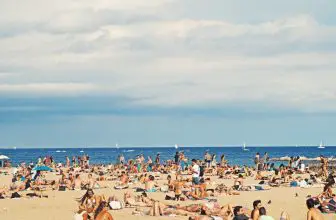
Barcelona gets even better with its buzzing beach life, which seems to be busy throughout the year. Popular for warm waters, cold beers sold by the friendly locals, golden sands and top-notch beach bars, be sure to check the beach out!
The beach stretches out about 300 miles along the west coast of Spain. So whatever you’re in the mood for, you’ll find just the right spot. Quiet beaches, buzzing beach bars or family-friendly beaches are a guarantee!
3. Take a hike in Tibidabo
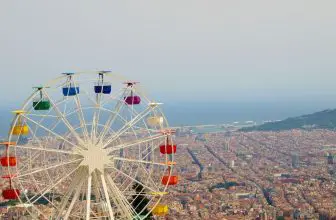
Tibidabo is a hill overlooking Barcelona. It’s the tallest hill in Catalonia, Spain, and offers exquisite 360° views of Spain! Not only is it great for getting some hiking done, but you’ll learn a lot about some of the local legends. Upon reaching the top of the hill, a church designed by Enric Sagnier will leave you breathless.
Don’t let the hiking scare you off, there are of course other options for reaching the top. Rents some bikes, take the railway, public bus or a rented car; simple as that! Renting a car can be tricky in Barcelona, with busy streets and driving on the right side of the road, check out these 7 tips for renting a car in Spain.

What to see in Barcelona
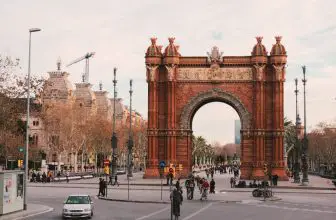
Besides indulging in all the activities Barcelona has to offer, visiting some of the city’s famous architecture is a must! Gothic architecture decorates the olden streets, as well as organic and innovate artworks around the city.
4. Gaudi Buildings in Barcelona
Antoni Gaudi is most famous for the La Sagrada Familia. La Sagrada Familia is an outstanding but incomplete cathedral built by the people, for the people. So far it has taken a whopping 135 years to erect.
Tickets for La Sagrada grant you access to the awe-inspiring architecture that can only be seen from inside the building. As well as access, you’ll also have the opportunity of taking a guided tour to learn some interesting things about this so-called ‘outcast’ Gaudi.
If you’re crazy about Gaudi there’s a great walking tour around some Gaudi hot spots that includes a ‘skip the line’ ticket ‘skip the line’ ticket to La Sagrada Family. It’s also great to do with the whole family.

5. Barcelona’s own Picasso Museum
It seems as though Barcelona produced some of the best artists in our century. We all know Picasso and what phenomenal work he has created, but being able to see the collection of his work dated back to his childhood is something else!
The museum showcases the complete permanent collection of his work, comprised of paintings and drawings, engravings, and ceramics. All these beautiful artworks created a new understanding of the art genres that still have an influence today.
If you’re looking for tickets to the Picasso museum, click here click here!
The best places to visit in Barcelona
A must-do in Barcelona is to indulge in tourist attractions. But don’t think of them as simply for tourists. The unique livelihood of the Spanish people displays an entirely different approach to understanding a city and its culture.
6. Mercado de La Boqueria
This is the biggest public market open to all. The best place to try some local cuisine and indulge in all the tasty goodness!

7. Magic Fountain of Montjuïc
This is something fun to do with the entire family! The water displays are turned into art with colorful lights and coordinated water flows.
8. La Rambla, Barcelona
Because shopping in a new city is always awesome! La Rambla is a lively shopping street with some of Europes best stores,
9. Ciutadella Park
A popular destination with tourists and a great way to relax with kids and keep it simple. This is also a lovely place to enjoy a picnic.

10. La Barceloneta
This is known by locals as the seafood neighborhood. And when you’re visiting a beach haven like Barca, you’ve got to check out the seafood selection! Also, a great spot to catch a boat ride from.
Hidden gems in Barcelona City
Maybe it isn’t your first time visiting Barcelona, or maybe you’re not the type of person looking to do all the big things. And if you’re not a local it might be a bit tricky finding all these cool hidden spots in the city. Here are a few spots that aren’t that well-known by tourists!

11. Grec Gardens Amphi-Theatre
An outdoor theatre that was built in 1929 to host an exhibition, this is the perfect escape from the bustling city life. Although the theatre is hardly used, it’s worth taking a look at the aesthetically pleasing architecture. Surrounding the theatre is a lovely tea garden to take a relaxing stroll around, too!
12. The Horta Labyrinth
Known as the oldest garden in Barcelona, this semi-secret hedge can be a lot of fun to get lost in with friends and family! Upon reaching the middle of the maze, you’ll find a statue of Eros, the Greek God of Love. The statue signifies the Greek history within Spain and it’s worth doing some reading up about it if you’re interested.
For some extra information about visiting The Horta Labyrinth, give this a read give this a read! The website offers some helpful directions and a little bit of the history of the labyrinth.
13. Chök, The Chocolate Kitchen in Barcelona
Being on holiday is the perfect time to treat yourself to some goodies! It’s a great place to stop at for some coffee and treats between your adventures.

Final thoughts on Barcelona things to do
If this hasn’t excited you enough to start planning a trip to Barcelona, what will? The city has something to offer everyone.
Whether its catching big waves, spending some holiday time with the family or exploring the historic city’s architecture. You’ll sure want to add Barca to your bucket list!
It’s also perfect for those on a budget given how many cool outdoor activities you can plan or simply walking along the cobblestone and admiring the city’s astounding architecture.