
 Matt
Matt
Spain is one of the top three producers of wine in the world, providing more than 4.6 million tons of wine per year. With such a wealth of options to pick from, it makes complete sense to embark on some Madrid wine tours while in Villa del Oso y el Madroño.
Some of these vineyards are thousands of years old and have the largest grape cultivation in the world. Spanish wines vary from deep reds to sparkling whites and offer endless fascination for visitors. So popping into Madrid’s wine country for a glass or two is an absolute must for all vino enthusiasts.

Wine lovers should definitely make it down to the country’s capital and embark on some of the best wine tours Madrid, Spain, currently has to offer.
You can also check out our post comparing different Madrid wine and tapas tours to elevate your wine tasting to the next level.
Madrid Wine Tour Prices
While there are a lot of wine options in the capital, what do they cost? Prices range from 55 Euros ($62 USD) to about 200 Euros ($224 USD), depending on the experience you want to have.
Compare prices across the tour offers below:

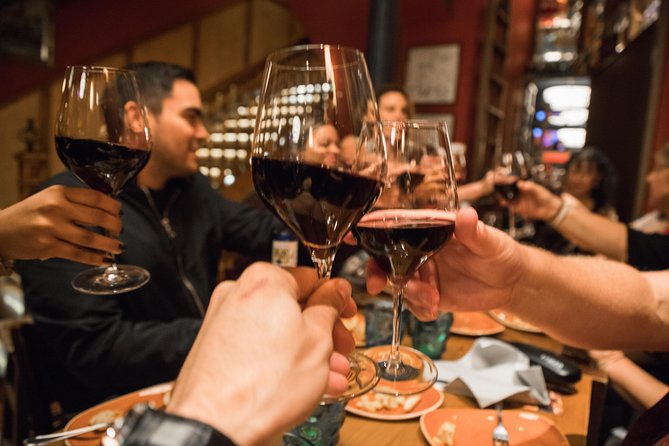
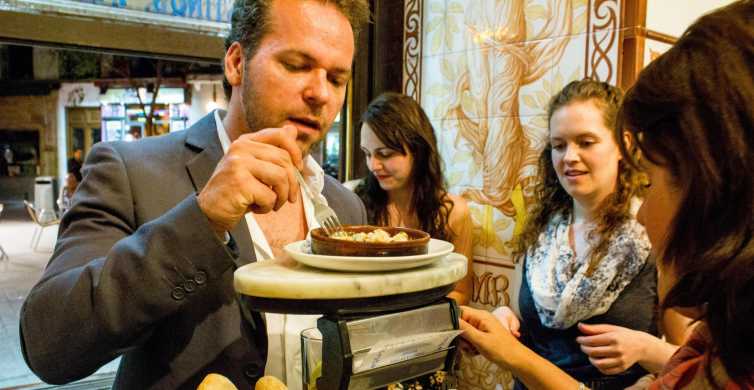
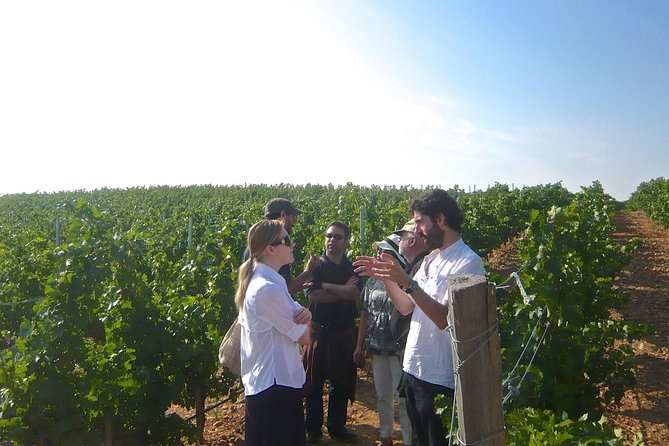
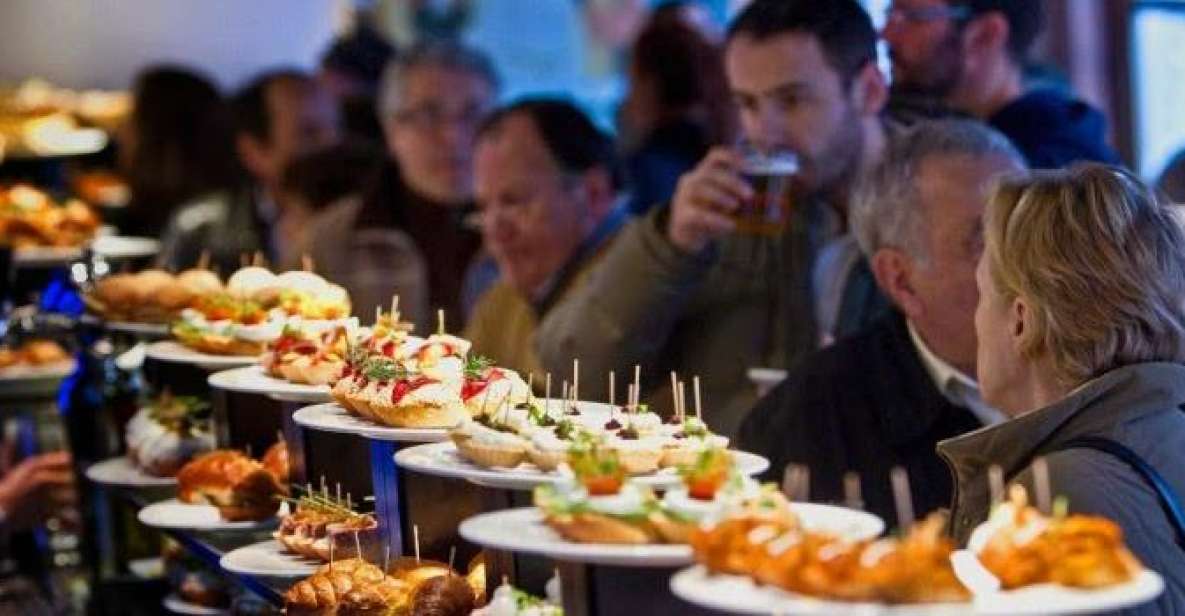
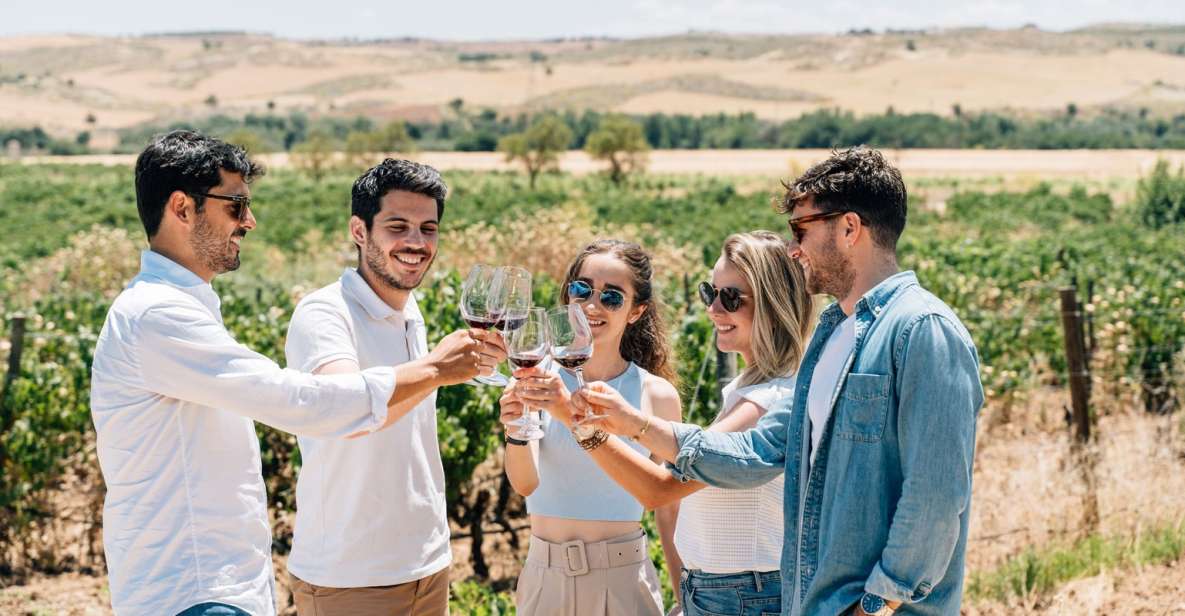
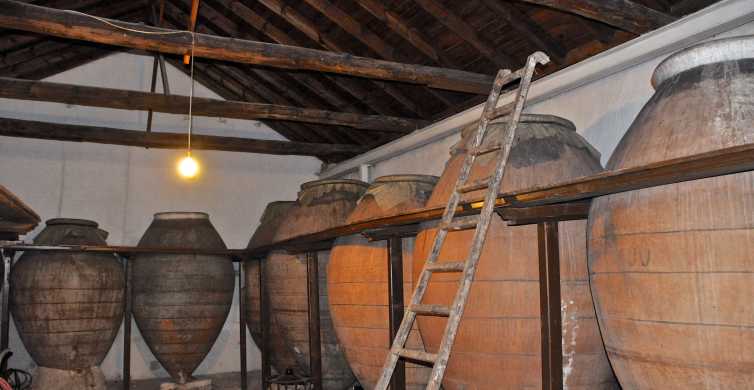
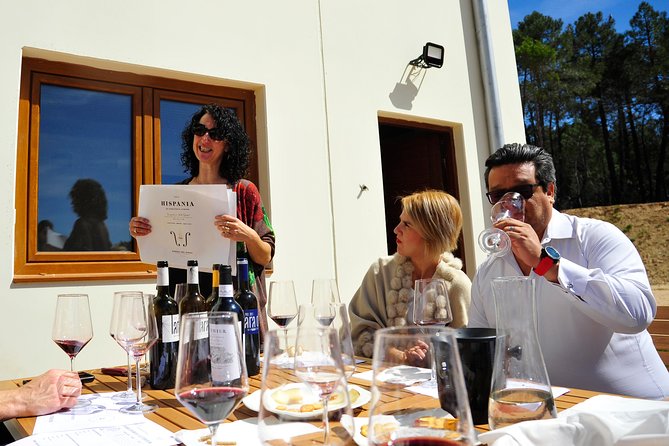
Wine Tasting In Madrid
Underground wine caves, fancy bars, dark and ancient taverns — there’s no limit to the wine tours from Madrid.
So join the Madrileños (what we call the locals of Madrid) and socialize at one of the many bars or cafes in the city’s arty and vibrant streets. To make things even better, many of these tours are amongst Madrid’s top attractions, so you can kill two birds with one stone, so to speak.
1. From Madrid: Toledo Tour with Wine Tasting and 7 Monuments

Travel 70 km north from Madrid to Toledo, which is known as the city of multiple-faith. Of course, the city is packed with history and culture to dig into, but you’re here for an epic Madrid winery tour.
Think you know your grapes well? Toledo is home to the red grape variety Grenache. On this full-day tour, you’ll learn about the history of Toledo and the winemaking process of Castilla-La-Mancha, all while indulging in scrumptious Spanish tapas while sipping a glass of wine.
The city of three cultures is well-known for its Christian, Arabic, and Jewish monuments, like the incredible Alcazar of Toledo. However, tourists combine culture and food to get the best of both worlds when visiting this historic city.
Why is this a tour you should join? It’s the perfect mix of culture and gastronomy. Toledo’s ability to incorporate three religions is quite remarkable, and UNESCO recognized the city as a World Heritage Site in 1986.
Inside info:
- If you book in advance, you can benefit from optional free entry to 7 different buildings and monuments
- You get to travel by private bus from Madrid
2. Madrid: Iberico Ham and Spanish Wine Small-Group Tour

Who doesn’t love the sound of a good food and wine tour in Madrid? Luckily there is no shortage of options, and some of the best wine tastings in Spain are in the capital.
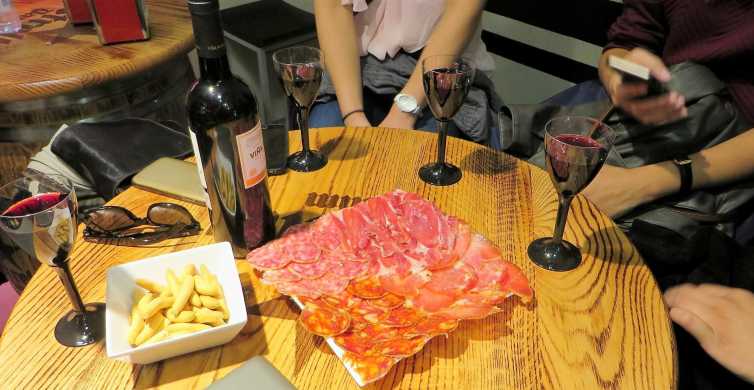
This is a wine tour Madrid can’t do without, as it perfectly pairs great vino with tasty cold cuts. You’ll have the opportunity to taste delicious cuts of Iberian meats, including chorizo, salchichón, lomo, and ham.
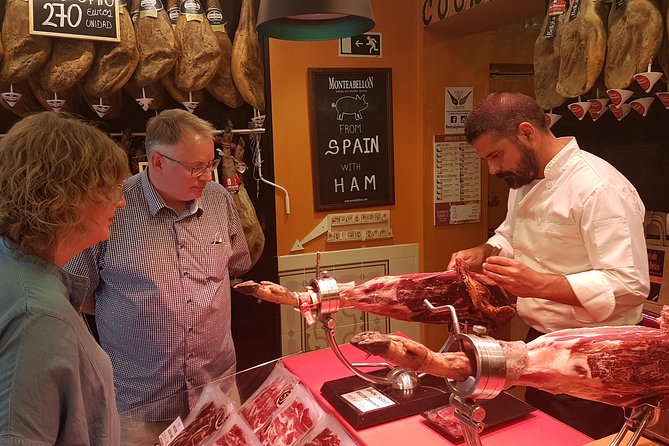
This 2.5-hour tour includes a visit to a few jamonerías (a ham store), where you’ll learn the difference between the types of ham cuts — from an expert food guide. This helps you gain knowledge on how to shop for cold meats at the local markets.
It’s a food and wine tour that focuses on the history and culture of wine combined with delicious Spanish delicacies like Iberian meats, Manchego cheese, and classic tapas.
Inside info:
- Vegetarians and vegans — this tour will definitely not be for you
- We would not recommend this tour if you have a walking disability or a wheelchair
3. From Madrid: Toledo City Tour and Wine Tasting Experience

First, you will pay a visit to the ancient city of Toledo, a UNESCO World Heritage Site. The history of this multicultural town, where Christians, Muslims, and Jews all live together, plays a significant role in Madrid Tourism. Join us on a culturally enriching tour combined with a visit to some of the best wineries near Madrid.
The Mosque of Cristo de la Cruz offers a glimpse into caliphate architecture. The brickwork on the facade of the building is a technique that is commonly used in caliphate architecture. Explore the Spanish Gothic style and feel inspired by the sight of Renaissance Spanish painter El Greco’s most famous masterpiece displayed at the Church of Santo Tomé.
And after all the cultural enrichment, it’s finally wine o’clock! On your return trip to Madrid, you’ll stop in Bargas. Here you’ll find Finca Loranque, a winery built in a French style. The aim? Producing high-quality wines, of course!

What makes the wine from this particular farm so special? The farm has been operating since 1865 when the Counts of Floridablanca acquired the land. The meticulously planned architecture of Finca Loranque adds to the quality of the Grenache grapes produced here.
The building’s height and position contribute to excellent ventilation circumstances. Combined with one-meter-thick walls and the temperature of the grapes can be controlled to some extent. Controlled temperature produces fantastic grapes, which in turn, make excellent wine. Wine connoisseurs, this is one of the best private tours on the list.
Fun fact:
- Finca Loranque produced their first bottle of vintage in 2002
4. Madrid Wine and Tapas Walking Tour

Pairing tapas and wine is one of the best ways to experience what living in Spain from a dietary perspective might be like. This Madrid wine experience offers you the opportunity to visit four local tapas and wine restaurants and sample some of the best Spanish delicacies in town.
The wines are carefully selected to complement the tapas you’ll taste. And guess what? There are 10 different ones to try! The vibrant culinary scene of Madrid is reflected in its tapas and wine tradition.
Your expert food guide will take you on a culinary journey to explore the origin and the inspiration behind delicate tapas dishes and the perfect wine pairing. They will also give you an authentic experience of Spanish culture. Miss the tourist traps and have local food and wine tasting in Madrid.

Inside info:
- For the food enthusiasts, if alcohol ain’t your thing, you can still participate in this tour.
- Visit a 100-year-old dark, bohemian tavern — an authentic Spanish experience
5. Madrid Wine Region: Guided Tour and Tastings

Want to challenge your existing wine knowledge? Interested in Spanish wines other than the typical Rioja or Ribera del Duero? Then join this expert sommelier and wine journalist to share his expertise and notes on local wines in this perfect Madrid winery tour.
The goal is to create a relaxed and casual atmosphere with a group of fellow wine lovers.
Sample six vintage wines carefully selected by your sommelier (a trained wine professional) with more than 10 years of experience in the wine industry. Two white wines will be up for tasting, followed by four red wine tastings – as we all know by now, reds are full-bodied, fruity, and fabulous in Spain.
Compare wines with each other while enjoying cheese, olives, and Iberian cut meats, the perfect accompaniment to any Spanish wine experience. The tour lasts around 90 minutes, so if you want to book a quick and effective Madrid wine experience, this is definitely the one we suggest.
Inside info:
- Your host is a sommelier and wine journalist with over 10 years of experience. You’re in for some great storytelling.
- Looking for a cozy and intimate experience? Only 12 spots are available on this tour
6. Madrid Wine Bars and Gastropubs Tour

Experience the bustling food scene of Madrid on this three-hour gastropub and wine bar tour. What does this entail? Visit the Ibiza neighborhood and get a glimpse into Spanish nightlife. Let your guide show you how the Spaniards do it – wine and tapas style.
You’ll visit two eateries in Ibiza, located in the district of Retiro, where you will get to sample local delicacies. Your guide will also explain the area’s history, pointing out important buildings and landmarks. In between walking around, you’ll bask in freshly prepared food and robust, fruity wines.
At your final stop, sit down to enjoy a creative mix of dishes and locally produced wines. What a great way to experience the best wineries in Madrid like a local!
Inside info:
- All food and drinks are included in this 3-hour trip
7. From Madrid: Ribera del Duero Tour of 3 Different Wineries

This full-day tour is sure to pack a punch. Taste more than 10 wines in this authentic Madrid winery tour. You’ll visit three prestigious Ribera del Duero wineries and learn about complex wine production processes.
Do you have any knowledge of biodynamic and organic wine? Neither did we. That’s why we tried out this tour! Taste wines that are made from various grape varieties, like Tempranillo and Malvar, which both find their origin at the vineyards in Spain near Madrid.
Cheese and Iberico charcuterie platters will be provided during your tasting. But be sure to have a good breakfast on the morning of the tour, as the platters won’t fill you up.
Fun fact:
- Wine cellars are called bodegas in Spanish. Get to see a Spanish bodega when you book this tour.
8. Guided Wine Day Tour to Ribera del Duero from Madrid

Situated in the wealthy wine regions of Ribera del Duero and surrounded by medieval villages and castles, get ready to taste some of the best wines of this historic region. Ribera del Duero has perfected the art of winemaking, so this is a wine tour from Madrid that won’t leave you disappointed.
The three wineries have been carefully selected to ensure that they offer a mix of modern, traditional, and medieval winemaking techniques. Plus, you can enjoy a deep dive into the diverse architecture of the region.
This tour will focus on the tasting, of course, with a minimum of two wine tastings at each of the three locations. Take an in-depth look at wine production and harvesting, where techniques of winemaking focus on traditional and modern tendencies – the perfect mix of old and new.
After visiting your last Madrid winery, you will get to visit the scenic town of Segovia. It’s one of the most unique Spanish winter destinations, with its 2,000-year-old Roman aqueducts and quaint wine bars that’ll turn even the coldest of days into a sweet treat.
Inside info:
- Lunch is not accounted for in this tour. Your tour guide will recommend a local restaurant for lunch at your own expense.
Final Thoughts on the Best Madrid Wine Tasting Tours

Spain and wine. Ribera and Rioja. These all go hand in hand. They are known as the classics of Madrid, but be sure to try out some other grape varieties while visiting some fancy Madrid wineries.
Names like Toro, Verdejo, Petit Verdot, Campo de Borja, and Vinos de Madrid should make it to the top of your list! These grapes are still underrated but include some of the best young wines that Madrid has to offer. Just get ready to indulge in the wine-drinking culture of Spain.
You are sure to be attracted to the warmth of the people and the beautiful surrounding landscapes. You’ll also feel inspired by the architecture, and the vineyards, stretching over thousands of hectares through Spain.
Gain new perspectives and insights into winemaking and wine tasting while experiencing local cuisine on some of the best wine tours in Madrid, Spain.
Floating on cloud wine already? Well, we definitely feel our taste buds tingling with excitement. Make sure to book one of these fantastic tastings, as some are amongst the best private day trips from Madrid, be it Toledo or Ribera del Duero.


Pedro did a great job in demystifying the Spanish ham infatuation. And the special stew from Madrid was outstanding, highly recommend this tour.
We had such a great time. We were the only two who booked this tour but they didn’t cancel it – we got a private tour! What a great bonus! We learned about the quality standards for iberico pigs, tasted great food, visited some amazing restaurants and got a great dose of Spanish history. We were honored our guide (Pedro?) let us have this experience and we got such a great insight to a good that is so important to Spain. Highly recommend!
We had an amazing night with Andres. The food was great, the wines were super, and most importantly we enjoyed the company. Andres knows a lot about wine and he made us try dishes and different types of wine that we wouldn't have known about on our own and he went out of his way to accommodate our requests. This tour should be the number 1 thing on your to do list in Madrid.
Throughly enjoyed the company of the tour guides. They made it personal. Their knowledge and insight was great. The bars etc selected opened a whole new world. Thanks for the adventure.
The tour itself was very good especially the young lady who did the tour but Viator's tour description was deceiving .It said there was a restaurant visit on top of a building with a cocktail , that didn't happen.I had the same experience with my Dubai trip .What you guys say and what we get , most of the time,isn't the same thing .That should be fixed.
It was a fun evening with Laura and all 10 of us friends. Laura was an excellent guide who shared a lot about Spain, food and herself. It was a great local interaction! Thank you for a great tour!
My boyfriend and I had a great time on this food tour where we got to not only eat delicious food but learn the layout and a little history of the city. I always recommend that folks do this at the beginning of their visit bc it’s an ideal way to get your bearings.
We scheduled a 2 and 1/2 hour tapas tour with Andreas. It was outstanding!! We had graet food and wine at three locations. Andres's knowledge and presentation made the evening fly. We actually ended up with a four hour event.We enjoyed the third location so much we took other people there 3 days later.Clearly we would recommend this to any visitor to Madrid.